About bay laurel
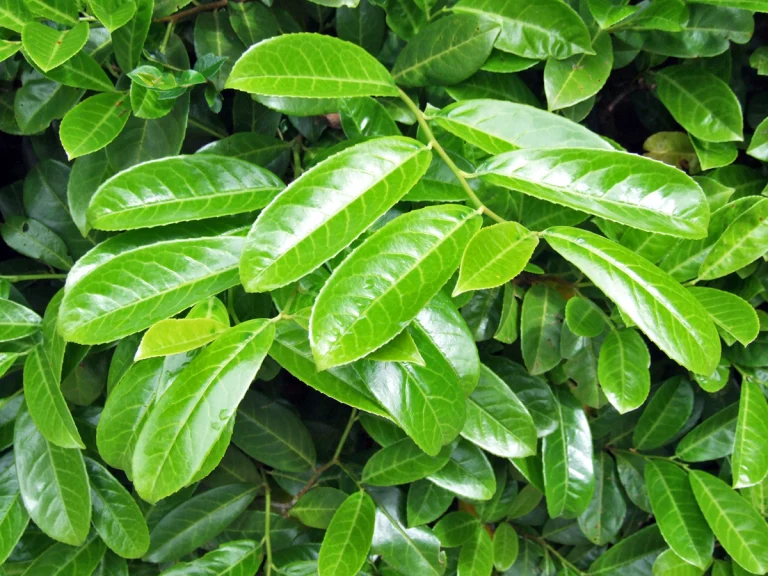
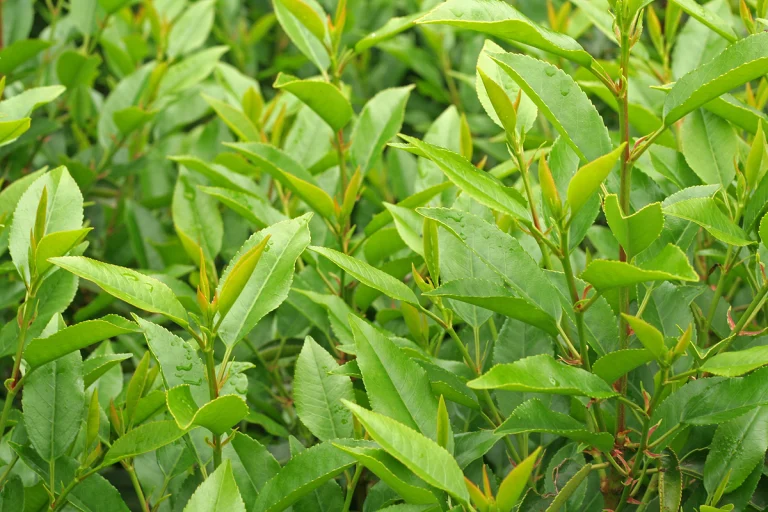
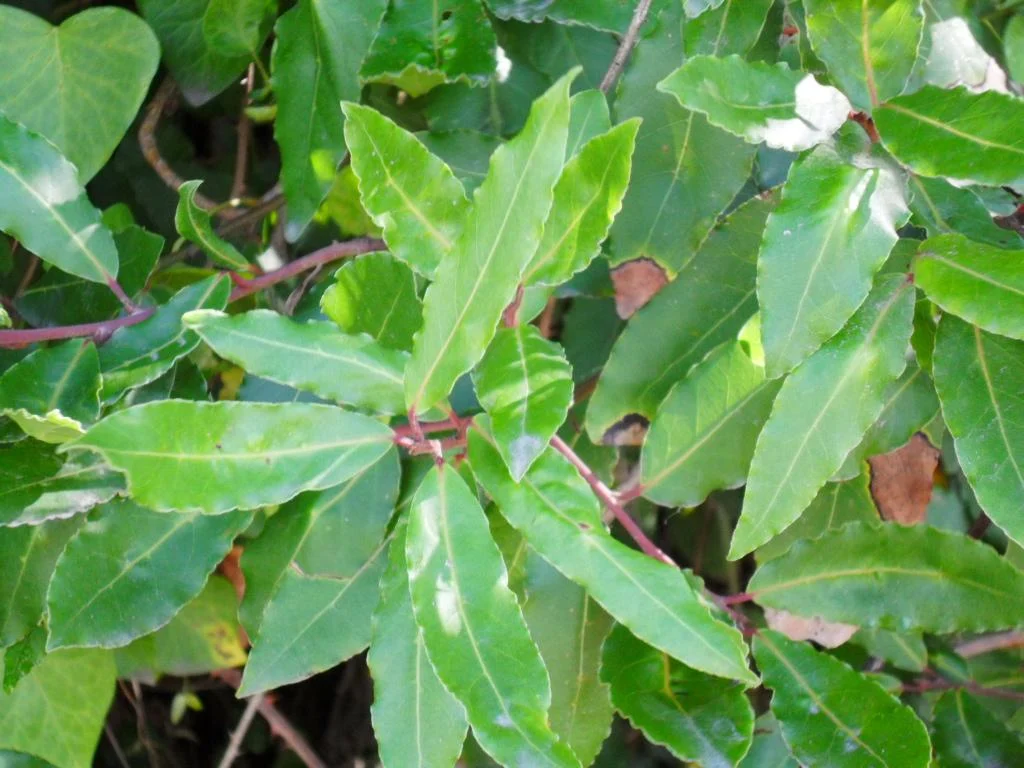
Bay laurel is an evergreen tree or large shrub from the Mediterranean. It’s best known as a clipped topiary standard, but it also makes a good hedge in a sheltered garden. Its narrow, leathery leaves are the bay leaves you cook with.
Small pale yellow-green flowers appear in clusters in spring. Female plants follow them with glossy black berries in autumn.
Bay is the plant behind the laurel wreath, the crown of victory and the highest honour in ancient Greece and Rome.
Growing bay laurel
Bay grows in full sun or partial shade and will face any direction as long as it’s sheltered. Any well-drained soil is fine, but it hates sitting in wet ground over winter. It grows slowly, which makes it easy to keep in shape.
It’s hardy to about -5°C. Frost and cold winds can scorch the leaves, so wrap plants in fleece or move pots under cover in a hard freeze.
Growing bay in a pot
Bay grows very well in a container, which is how most people grow a bay standard. Use a soil-based compost with extra grit to improve drainage and stability. Add controlled-release fertiliser granules, or give a liquid feed every two weeks from mid-spring to late summer.
As the plant grows it will need repotting, ideally every couple of years in spring. Compost breaks down over time, so even if you keep the same pot it is worth refreshing the top layer.
Bay laurel care
Pruning
To keep a bay hedge balanced, trim it lightly twice during the summer months using secateurs or hand shears. Standards and topiary shapes need regular pinching out to stay dense. Our guide to pruning a bay tree explains how to shape a bushy plant or train a lollipop standard.
Pests and diseases
Bay sucker causes thickened, curled and yellowing leaf edges. Soft scale and horse chestnut scale leave sticky honeydew and black sooty mould, and tortrix moth caterpillars bind leaves together. Powdery mildew and leaf spot can also appear. Most problems are cosmetic and easy to manage on a healthy, well-fed plant.
Cooking with bay leaves
Bay is the only one of the three laurels you can cook with. Pick leaves fresh or dry them for a stronger flavour. See our guide to using bay leaves in the kitchen.