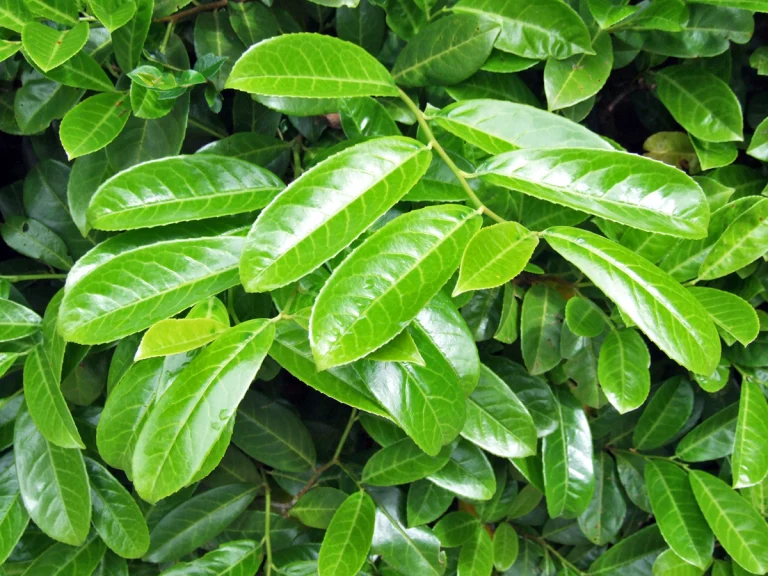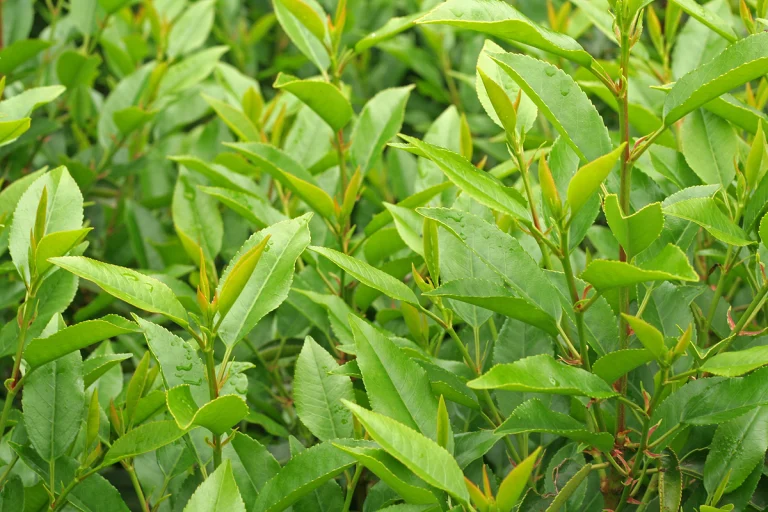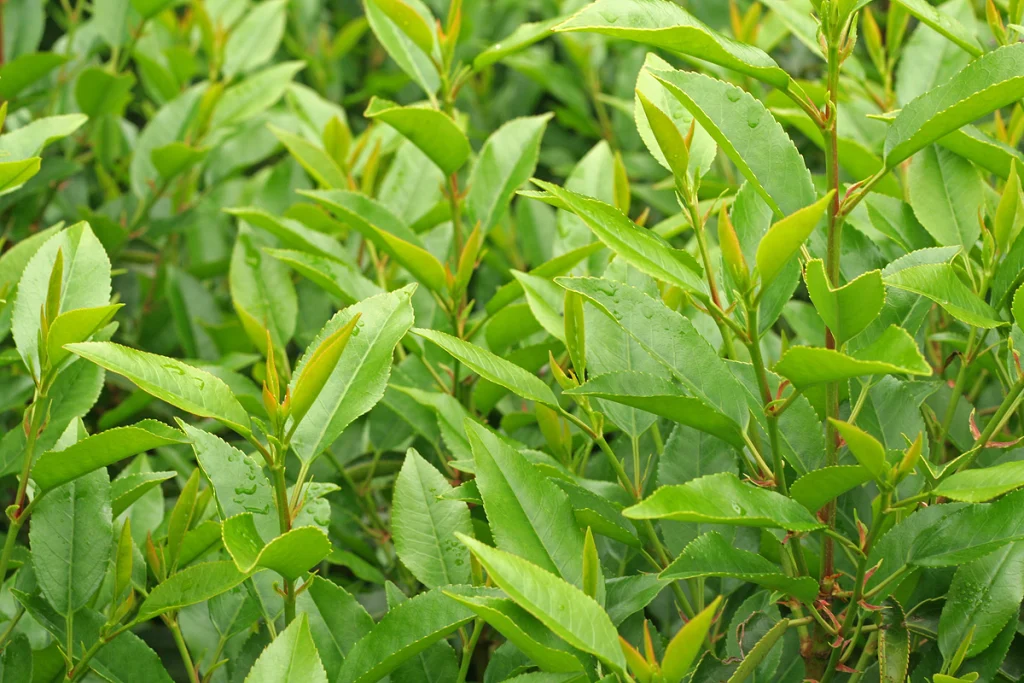
Laurel roots easily from cuttings, which makes it one of the simplest hedging plants to grow for free. A few dozen cuttings taken from your own hedge in late summer can fill gaps, extend a hedge along a new boundary, or give you spare plants to swap in if one fails. You need very little kit, and the method works for cherry laurel, Portuguese laurel and bay.
Is it worth doing?
For filling a few gaps, definitely. Cuttings from your own hedge are the same variety as the plants already there, so the new plants match. They’re also free.
For a whole new hedge, it depends how patient you are. Small bare-root laurel plants cost only a few pounds each in winter, and cuttings take a year or two to grow into plants of the same size. If you need 30 metres of hedge by next summer, buy plants. If you’re happy to wait, or you’re on a tight budget, cuttings work well.
One thing to check first: a few newer named varieties are protected by plant breeders’ rights, which means you can’t propagate them to sell. Growing a few for your own garden isn’t the issue; selling them is.
When to take laurel cuttings
There are two good times.
- Semi-ripe cuttings from July to September, using this year’s shoots once they’ve started to firm up at the base. This is the easiest method and roots fastest.
- Hardwood cuttings from mid-autumn to late winter, using ripe, woody stems from this year’s growth. These root more slowly, outdoors, and need almost no attention.
A summer trim is the perfect time to collect material for semi-ripe cuttings, as long as you take healthy shoots and not ones covered in holes or mildew.
Semi-ripe cuttings, step by step
- Take cuttings in the morning, when the plant is full of water. Put them straight into a plastic bag so they don’t wilt, and keep them in the shade until you’re ready.
- Trim each cutting to 10 to 15cm long, cutting just below a leaf joint.
- Remove the lower leaves and the soft tip, leaving three or four leaves at the top. Laurel leaves are big, so cut each of those in half across the middle. It looks odd, but it cuts down the water the cutting loses while it has no roots.
- Dip the base in hormone rooting powder if you have some. Laurel roots without it, but it speeds things up.
- Fill pots or a tray with a mix of half peat-free compost and half sharp sand, water it and let it drain. Push the cuttings in up to about a third of their length, around the edge of the pot, so the leaves don’t touch.
- Cover with a clear plastic bag held off the leaves with a couple of sticks, or put the pots in a propagator. Keep them somewhere light but out of direct sun.
Check them every week or so. Keep the compost damp but not wet, wipe off excess condensation, and remove any cuttings that go black or mouldy. Summer cuttings often root within a couple of months. Those taken later in the year may not root until spring, especially in a cold frame. A gentle tug that meets resistance, or roots showing at the drainage holes, tells you they’ve taken.
Hardwood cuttings
Hardwood cuttings are even less work, though slower. Between October and February, take 20 to 30cm lengths of this year’s woody growth, cutting just below a leaf joint at the bottom. Strip off the lower leaves, leaving a few at the top, and halve those.
Find a sheltered spot in the garden and push a spade in to make a narrow slit trench about 20cm deep. If the soil is heavy, trickle some sharp sand into the bottom. Stand the cuttings in the trench about 10 to 15cm apart, with around two-thirds of each cutting below ground, and firm the soil around them with your heel. Then leave them alone. Water in dry spells next summer, and most should be rooted and ready to lift the following autumn.
Layering
If you only need one or two plants, or want to fill a gap at the bottom of an existing hedge, layering is the easiest method of all. Bend a low branch down to the ground, scrape a little bark off the underside where it touches the soil, and peg it down with a wire hoop or a stone. Cover that section with soil and leave it attached to the parent plant. Within a year it will usually have rooted, and you can cut it free or leave it in place to thicken the hedge. Our guide to fixing a hedge that’s bare at the bottom explains how to use layering to fill gaps.
Growing them on
Once semi-ripe cuttings have rooted, harden them off for two or three weeks by gradually exposing them to outdoor conditions, in a cold frame or under fleece. Then pot them up individually into small pots of multipurpose compost. Move them into bigger pots as the roots fill each one.
They’re ready to plant out when they’re about 30 to 40cm tall with a good root system, usually a year or so later. Plant them in autumn, water them well through their first summer, and pinch out the tips once or twice to make them bush out. From there they’re treated exactly like bought plants; see our guide to planting a laurel hedge.
What about seed?
You can grow laurel from the stones in its berries, but we wouldn’t bother. The seed needs a cold winter before it will germinate, seedlings are slow, and they won’t necessarily look like the parent. Cuttings give you identical plants in a fraction of the time. Seed spread by birds is also how cherry laurel escapes into woodland, so it’s worth pulling up any seedlings you find in the garden.