If you think your pet has eaten laurel, stop reading and phone your vet now, or an out-of-hours emergency vet. Don’t wait for symptoms.
Laurel is in a lot of British gardens, and a lot of those gardens have dogs, cats or horses in or next to them. So it’s worth knowing which laurels are dangerous, what the real risks are, and how to keep animals safe without ripping out a hedge.
Which laurels are poisonous?
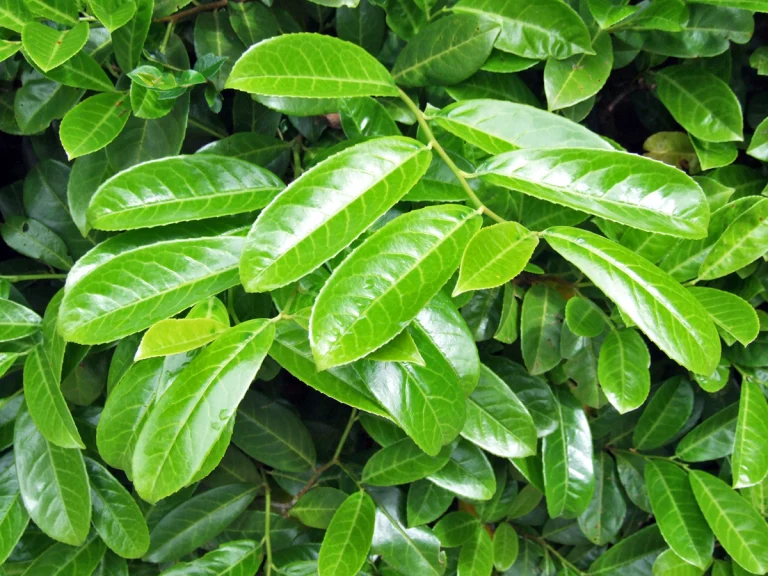
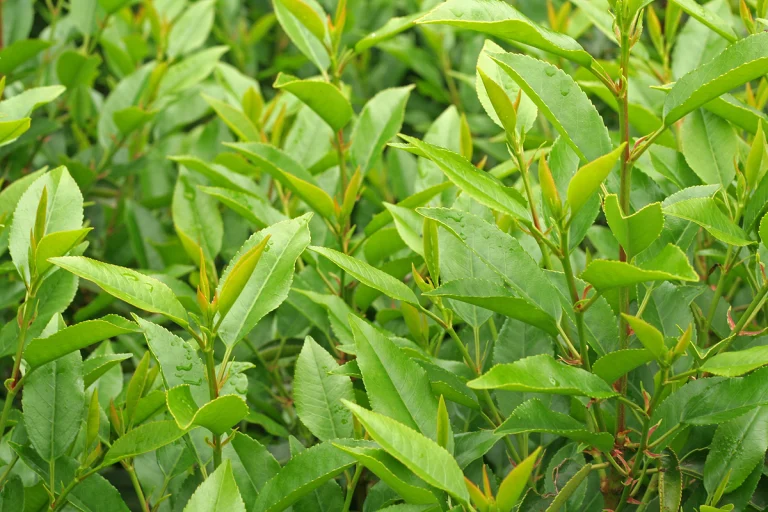
Cherry laurel and Portuguese laurel, the two laurels most often grown as hedges, are both poisonous to pets and livestock. They contain compounds that release hydrogen cyanide when the leaves or seeds are chewed or crushed. That’s the almond smell you notice when you cut the hedge. The leaves and the stones inside the berries hold the most.
Bay laurel, the one used in cooking, is far less dangerous, but it isn’t harmless to animals either. The ASPCA lists it as toxic to dogs, cats and horses. The oils in the leaves can cause vomiting and diarrhoea, and a dog that swallows a lot of whole leaves can end up with a blockage.
Spotted laurel isn’t related to any of these. Treat it with the same caution: don’t let dogs chew it or eat the berries.
You’ll see some pet websites say laurel contains a nerve toxin called grayanotoxin. That’s true of mountain laurel, Kalmia, an American shrub related to rhododendron, and it’s seriously poisonous too. It isn’t the same plant as cherry laurel, and it’s only occasionally grown in UK gardens on acid soil.
Dogs
Most dogs leave a laurel hedge alone. The leaves are tough and bitter. The risk comes from dogs, and especially puppies, that chew sticks and clippings, raid a compost heap, or eat the berries. The berries are the part we’d worry about most, because the stones contain the toxin and dogs sometimes eat them in numbers.
Signs of laurel poisoning can include drooling, vomiting, a sore mouth, breathing difficulties, wobbliness and collapse. They can come on quickly. Don’t try to make your dog sick at home. Phone your vet straight away, tell them what was eaten and roughly how much, and take a sprig or a photo of the plant with you if you go in.
Cats
Cats rarely eat shrubs, and laurel poisoning in cats is unusual. The bigger risk indoors is cut foliage. Laurel and bay leaves turn up in Christmas wreaths, garlands and flower arrangements, and some cats like to chew greenery. Keep arrangements out of reach, and if your cat has chewed laurel, phone the vet.
Horses and livestock
Horses are the animals most at risk from laurel in Britain, usually because of the way it gets to them rather than the hedge itself. Horses don’t usually browse a growing laurel hedge, as the leaves are tough and bitter. The danger is clippings thrown over a fence into a paddock, or branches that come down in a storm. Wilted and crushed leaves release more cyanide than fresh ones, and a hungry horse, cow or sheep may eat them.
There are recorded cases of cattle dying after getting at a laurel hedge, and the same risk applies to sheep, goats, alpacas and pigs. So:
- Never put laurel clippings where livestock can reach them, and ask neighbours not to tip theirs over the fence.
- Don’t plant laurel along a paddock boundary, where horses can reach over and branches can fall in.
- After a storm or a hedge cut, walk the field edge and clear anything that’s come down.
- If a horse has eaten laurel, call your vet immediately. Cyanide works fast.
Rabbits, guinea pigs, tortoises and chickens
Don’t feed laurel or bay clippings to small pets or poultry, and don’t let them free-range near a freshly cut hedge. Plenty of garden prunings make good treats for rabbits and guinea pigs, but laurel isn’t one of them.
Living with a laurel hedge and pets
You don’t need to dig out a laurel hedge because you have a dog. Most of the risk comes from clippings and berries, not the hedge itself, and that’s easy to manage.
- Trim while the dog is indoors, and clear up every clipping the same day.
- Bag clippings for the green waste bin rather than leaving piles in the garden. If you compost them, make sure the heap is somewhere dogs can’t get at.
- Trimming a hedge regularly means fewer flowers and fewer berries. If you have a puppy, pick up any berries that fall in late summer and autumn.
- Give a stick-chewing dog proper chews and toys, and discourage it from carrying laurel stems about.
If you’re planting a new hedge and the garden is shared with a dog that eats everything, or the boundary runs along a paddock, it’s worth choosing something else. Our comparisons of laurel with griselinia, photinia and privet cover other options. Check any alternative against your vet’s advice for your own animals, because no hedge is completely safe for every pet.
For people, the same rules apply: never cook with cherry or Portuguese laurel leaves, and teach children not to eat the berries. See bay leaves for cooking for how to tell bay from the poisonous laurels.