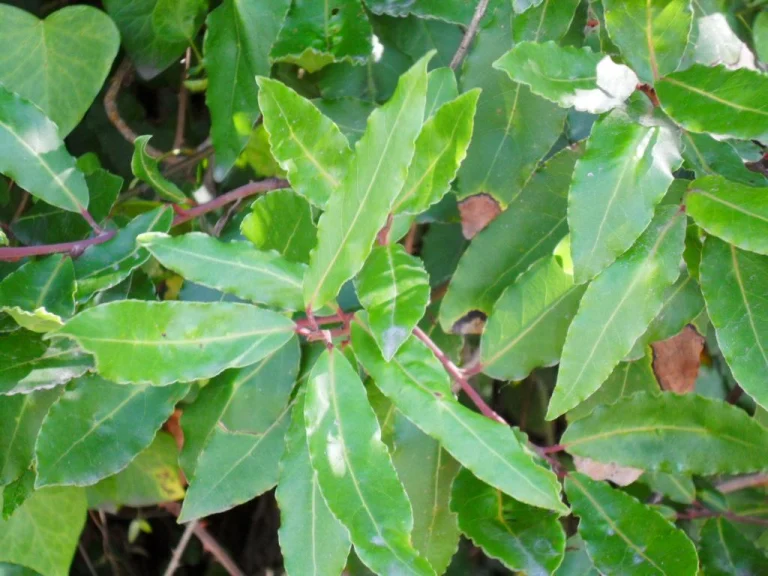
Griselinia is the hedge you see all along the British coast, with neat, apple-green leaves that seem to shrug off sea winds. Inland it’s become popular too, as a softer-looking alternative to laurel. Both make good evergreen screens, but where you live makes a big difference to which one will do better.
In short
By the sea, griselinia is hard to beat. Inland, especially in colder areas, in shade, or where you want a tall screen fast, laurel is the safer bet.
| Cherry laurel | Griselinia littoralis | |
|---|---|---|
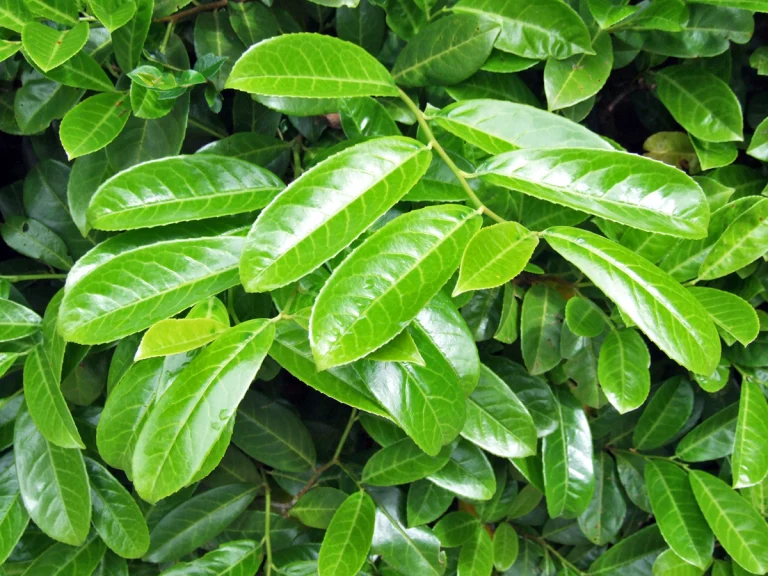
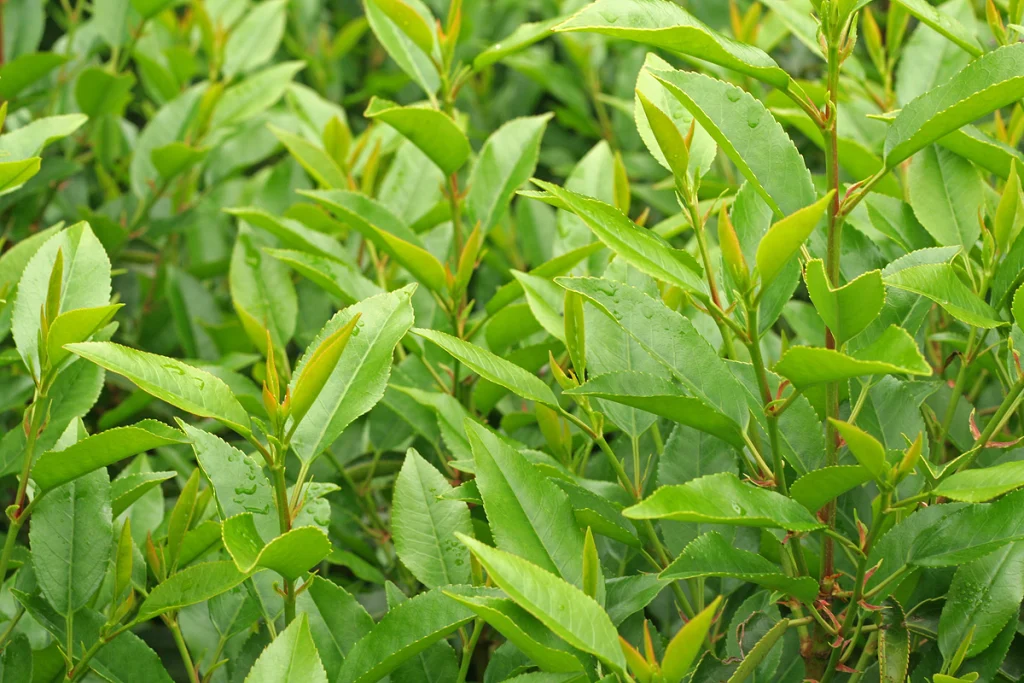
| Leaves | Large, glossy, mid-green | Medium, rounded, leathery, apple-green |
| Growth | Fast | Moderate to fast |
| Salt wind | Copes, but can scorch in gales | Excellent |
| Hard frost | Very hardy | Can be damaged in cold winters inland |
| Shade | Good | Prefers sun or light shade |
| Soil | Most soils, dislikes waterlogging | Needs free-draining soil |
| Look when trimmed | Bold and lush | Neat and fresh |
Coastal gardens
Griselinia comes from New Zealand, where it grows near the coast, and it’s built for wind and salt spray. Its thick, waxy leaves don’t burn the way many plants do after a winter storm. If your garden faces the sea, it’s one of the best hedges you can plant, and it’s often used as a windbreak to shelter the rest of the garden.
Cherry laurel does cope with coastal conditions and is planted in plenty of seaside towns, but on a really exposed frontage its big leaves can scorch and tatter in salty gales. A row or two back from the sea, it’s fine. Portuguese laurel is tougher in wind than cherry laurel and is worth a look for exposed sites too.
Cold winters
Cold is griselinia’s weak point. It’s not fully hardy in the coldest parts of the country, and a spell of hard frost can brown it badly or kill sections of hedge, especially when plants are young. Gardeners in cold, inland areas have lost whole griselinia hedges in harsh winters. Laurel is much hardier and very rarely suffers more than some leaf scorch.
Shade
Laurel is one of the most shade-tolerant hedges there is. Griselinia prefers sun and copes with light shade, but in deep shade it grows thin and slow. If part of your boundary runs under trees or along the north side of a building, laurel will give you a more even hedge.
Soil
Neither likes wet feet, but griselinia is less forgiving. It wants free-draining soil and can fail on heavy, waterlogged clay. It does well on light, sandy coastal soils and on chalk. Cherry laurel is happy on most soils as long as water doesn’t sit around its roots, though it can struggle on very thin chalk.
Speed and size
Cherry laurel is faster, typically 20 to 60cm a year once established, and makes a taller, denser screen sooner. Griselinia puts on good growth in a mild climate and makes a solid hedge of 1.5 to 3m or more, but it takes longer to get there. Our hedge calculator will give you a rough idea of timings for laurel.
Looks and trimming
Griselinia’s leaves are smaller and paler than laurel’s, and it trims to a neat, fresh-looking finish. A hedge trimmer leaves far fewer cut leaves on show than it does on cherry laurel, so it looks tidy straight after a trim. One or two trims a year in summer keeps it in shape.
Laurel’s bigger leaves give a bolder, more solid look, which suits large gardens and long boundaries. On a small hedge, you’ll get the neatest finish by cutting laurel with secateurs.
Cost
Griselinia generally costs more per plant than cherry laurel at the same size. Cherry laurel is also sold bare-root in winter, which brings the cost down further for a long hedge.
Which should you choose?
If you’re on the coast, in a mild area, with decent drainage and a sunny boundary, griselinia is an excellent choice and will probably look better than laurel there. Anywhere else, laurel is the more reliable plant. It’s hardier and happier in shade, and you’ll get your screen sooner for less money.
If you’ve decided on laurel, our guides to cherry laurel and planting a laurel hedge will get you started.