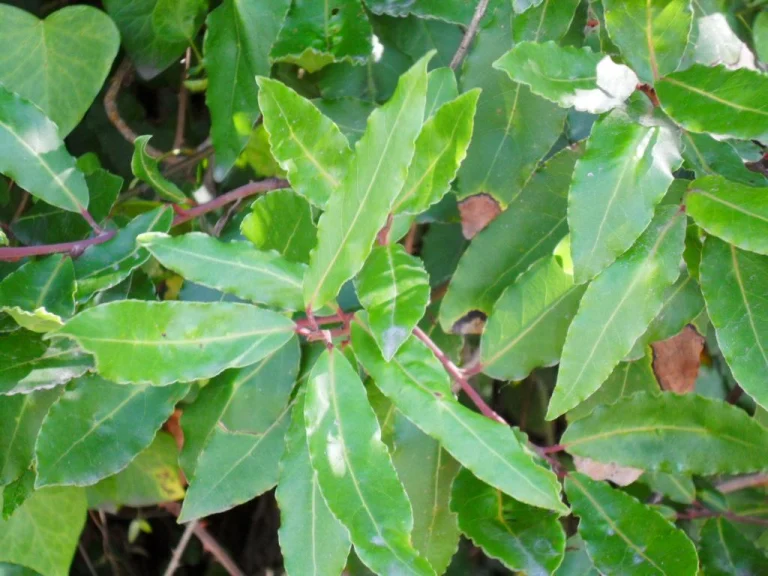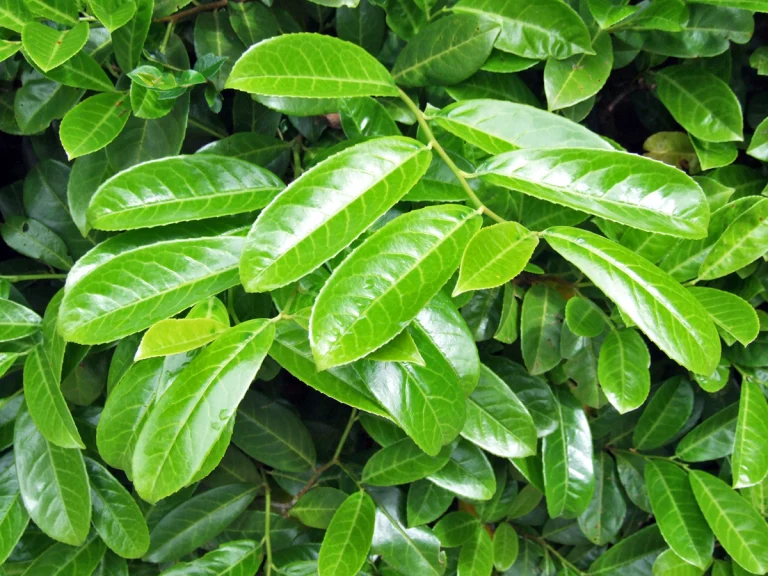
Yew and laurel are two of the oldest hedging plants in British gardens, and they’re opposites in almost every way. Yew is slow, fine-textured and formal. Laurel is fast, bold and generous. Which one is right depends mostly on how patient you are and what the hedge is for.
The short answer
If you want a screen in a few years and don’t want to spend much, plant laurel. If you want a crisp, formal hedge that will last for generations and you’re prepared to wait for it, plant yew.
| Cherry laurel | Yew (Taxus baccata) | |
|---|---|---|
| Foliage | Large glossy leaves | Fine, dark green needles |
| Growth | Fast, 20 to 60cm a year | Slow, roughly 15 to 30cm a year |
| Width needed | A metre or more | Can be kept to around 60cm |
| Trimming | Once or twice a year | Once a year, late summer |
| Shade | Good | Good |
| Wet soil | Dislikes waterlogging | Dies in waterlogged soil |
| Cost to reach 1.8m | Low | High |
| Toxicity | Leaves and seeds poisonous | Very poisonous, especially to livestock |
Speed
Speed is where they differ most. Cherry laurel puts on 20 to 60cm a year once it’s settled in, so a hedge planted at a metre can be at fence height in a few years. Yew is slow, more like 15 to 30cm a year, and it takes its time getting going after planting. You can buy tall yew plants to shortcut this, but they’re expensive.
That slowness has an upside. A yew hedge needs much less cutting once it’s at the size you want, and it doesn’t keep trying to get away from you the way laurel does.
Looks
Yew is the classic formal hedge. Its tiny needles clip to a dense, velvety surface with sharp edges and crisp corners, which is why it’s used for topiary and the hedges in great country house gardens. It also makes a dark, even background for borders.
Cherry laurel is glossy and lush, with a softer, bolder outline. It’s at its best on a big scale along a drive or a long boundary. In a small, formal garden it can look a bit coarse. Portuguese laurel, with its smaller leaves, sits somewhere in between and clips much more neatly than cherry laurel.
Space
Yew can be kept narrow. A well-trimmed yew hedge can be around 60cm thick, which makes it handy along a path or a narrow side return. Laurel’s big leaves and vigorous growth mean it needs more room, a metre or more for a tall hedge, and it gets wider every year unless you keep on top of it.
Soil and position
Both are happy in sun or shade, and both grow on chalk. The one thing yew can’t take is wet ground. In waterlogged soil its roots rot and the hedge dies in patches. Laurel doesn’t like wet feet either, but it’s more forgiving. On heavy clay, improve the drainage before planting either of them.
Pruning and recovery
Yew is unusual among conifers because it regrows from old wood. You can cut an overgrown yew hedge right back to the trunk and it will green up again, though slowly, over a few years. Laurel does the same thing much faster. Both are good hedges to inherit when they’ve been neglected.
For routine trimming, yew needs a single cut in late summer. Laurel needs one or two between late spring and late summer. See our laurel care guide for timing.
Safety
Both plants are poisonous, but yew is the more dangerous. Its foliage and seeds are highly toxic, and yew clippings have killed horses, cattle and sheep. Never plant it where livestock can reach it, and clear up clippings carefully. Laurel leaves and seeds are poisonous too, and clippings should also be kept away from animals, but yew is in a different league.
Cost
For the same finished height, laurel is far cheaper. Small yew plants aren’t expensive, but you’ll wait years for them, and large specimens cost a lot. Bare-root plants of both are available in winter and are the cheapest way to buy.
You can work out how many plants you’d need for your laurel hedge with our hedge calculator.
Our view
We love a good yew hedge, and if you’re planting for the long term in a formal garden, nothing else looks quite like it. For most people, though, laurel is the practical answer. It gives you privacy in a fraction of the time, for a fraction of the money, and it’s very hard to kill. If you want the clipped look without the wait, try Portuguese laurel.