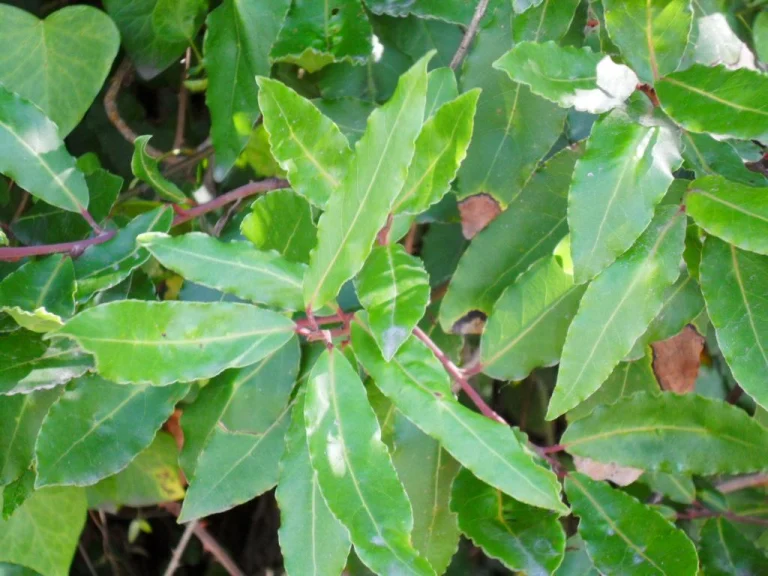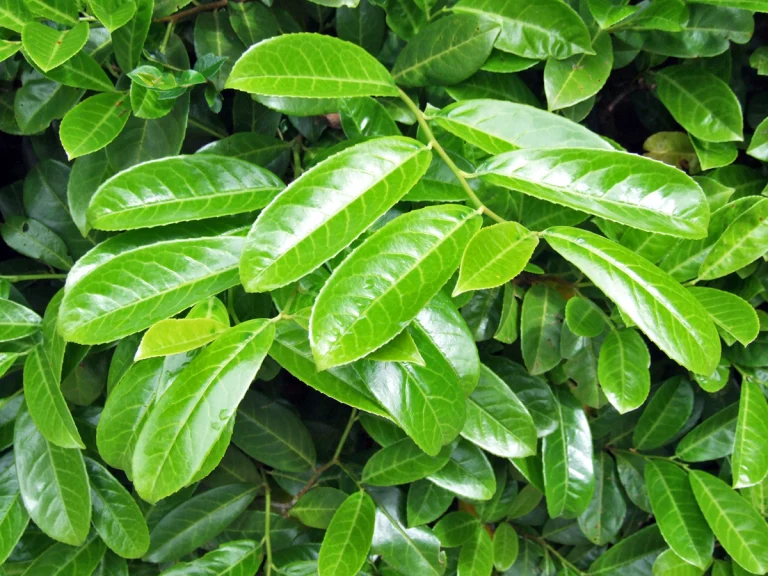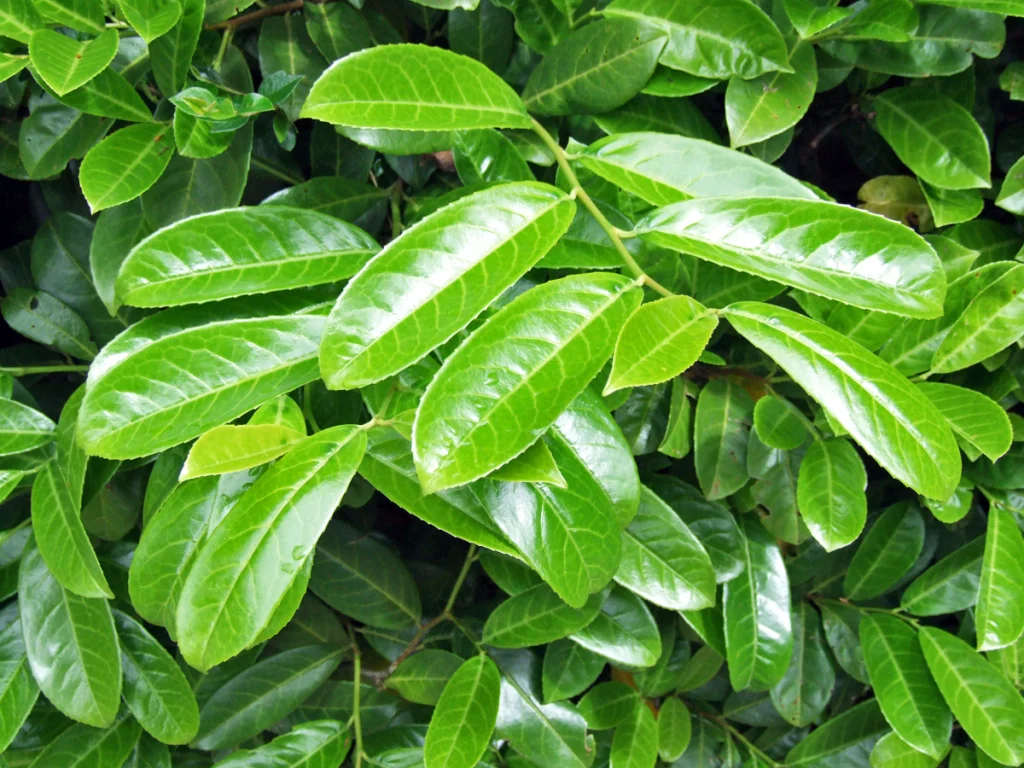
An overgrown laurel hedge can look like a lost cause. Four metres tall, two metres deep, blocking light from the house and hanging over the pavement. In fact laurel is one of the most forgiving hedges you can have. It regrows from old, bare wood, so you can cut it back much harder than you’d dare with most other evergreens and it will come back.
This guide covers cherry laurel and Portuguese laurel. Bay can be renovated too, but it’s slower to recover, so spread the work over two or three years.
When to cut back an overgrown laurel
The best time is March, or late February in a mild spring. The worst of the frosts are over, and the plant is about to put out its big flush of growth in late April and May, so it recovers fast.
March is also when birds start nesting, and laurel is a favourite. Under the Wildlife and Countryside Act 1981 it’s an offence to damage or destroy an active nest. Look carefully into the hedge before you start, and if you find a nest in use, leave that section until the young have fledged. Our page on laurel hedging and the law covers this.
Avoid hard pruning in late summer and autumn. The regrowth won’t toughen up before winter.
Decide how far to go
Work out the height and width you actually want, then cut 15 to 30cm inside that line. The hedge needs room to grow back out to its final size, and you’ll be trimming that new growth to shape.
You then have two choices.
All at once
Cut the top and both sides in one go. It’s quicker and the hedge recovers evenly, but you’ll be looking at bare stems for a couple of months, and you lose the screen for a season. For a very old hedge, you can even cut the whole thing down to stumps about 30cm high. Cherry laurel usually regrows strongly from that, though on very old or weak plants a few may not come back.
In stages
Take the height down and cut one side back in the first year, then do the other side the following March. The hedge keeps some leaves to feed itself and you keep some privacy. This is what we’d suggest for most garden hedges, and especially for one that’s already struggling.
Tools for the job
A hedge trimmer won’t touch the thick stems of an overgrown laurel. You’ll need:
- loppers for stems up to about the thickness of your thumb,
- a sharp pruning saw for anything thicker,
- gloves and eye protection,
- a stable platform or scaffold tower for the top of a tall hedge. A ladder leaned against a hedge is how people get hurt.
We cover the hand tools in our guide to the best secateurs, shears and saws. Chainsaws should only be used by people trained to use them.
How to make the cuts
- Start with the height. Bringing the top down first lets light in and shows you what you’re dealing with.
- Then work along the sides, cutting each stem back to your line.
- Where you can, cut just above a side shoot or a bud. Where there’s nothing but bare stem, cut anyway. Laurel will produce new buds from below the cut.
- Make clean cuts with sharp tools. Torn or split stumps are slower to heal.
- Clear out dead wood and anything rubbing or crossing while you can see into the hedge.
Aftercare
A hedge that’s lost most of its leaves needs help to regrow. Scatter a general fertiliser along both sides of the hedge, water it in, and add a thick layer of mulch over the root area, kept clear of the stems. Water every week or so in dry spells through the first summer.
New shoots should appear on the stumps within a few weeks to a couple of months. They often come in dense clusters. Leave them to grow through the first summer, then give them a light trim in mid to late summer to make them branch. By the second year the hedge should be green again and starting to look like a hedge.
Getting rid of the clippings
A big laurel cut back produces a surprising amount of material, and the leaves are slow to rot on a compost heap. Shredding helps a lot. Do it outdoors in the open air, not in a garage or shed, because crushed laurel leaves give off small amounts of hydrogen cyanide. That’s the almond smell you notice when you cut it. Keep the clippings away from horses and livestock.
For a big job, a council green waste collection or a hired skip is often the simplest answer.
When to call in a professional
Get a tree surgery firm in if the hedge is taller than you can safely reach from a platform, if it’s next to a road or over power lines, or if the stems are more like tree trunks. In the UK, the Arboricultural Association’s Approved Contractor scheme is a good place to look for a firm that’s been independently checked.
Once the hedge has recovered, keeping it at a sensible size is a lot less work. See our laurel hedge care guide for the yearly routine, and how to fix a hedge that’s bare at the bottom if that’s part of the problem.